
Advanced Forms of Payment in the New World
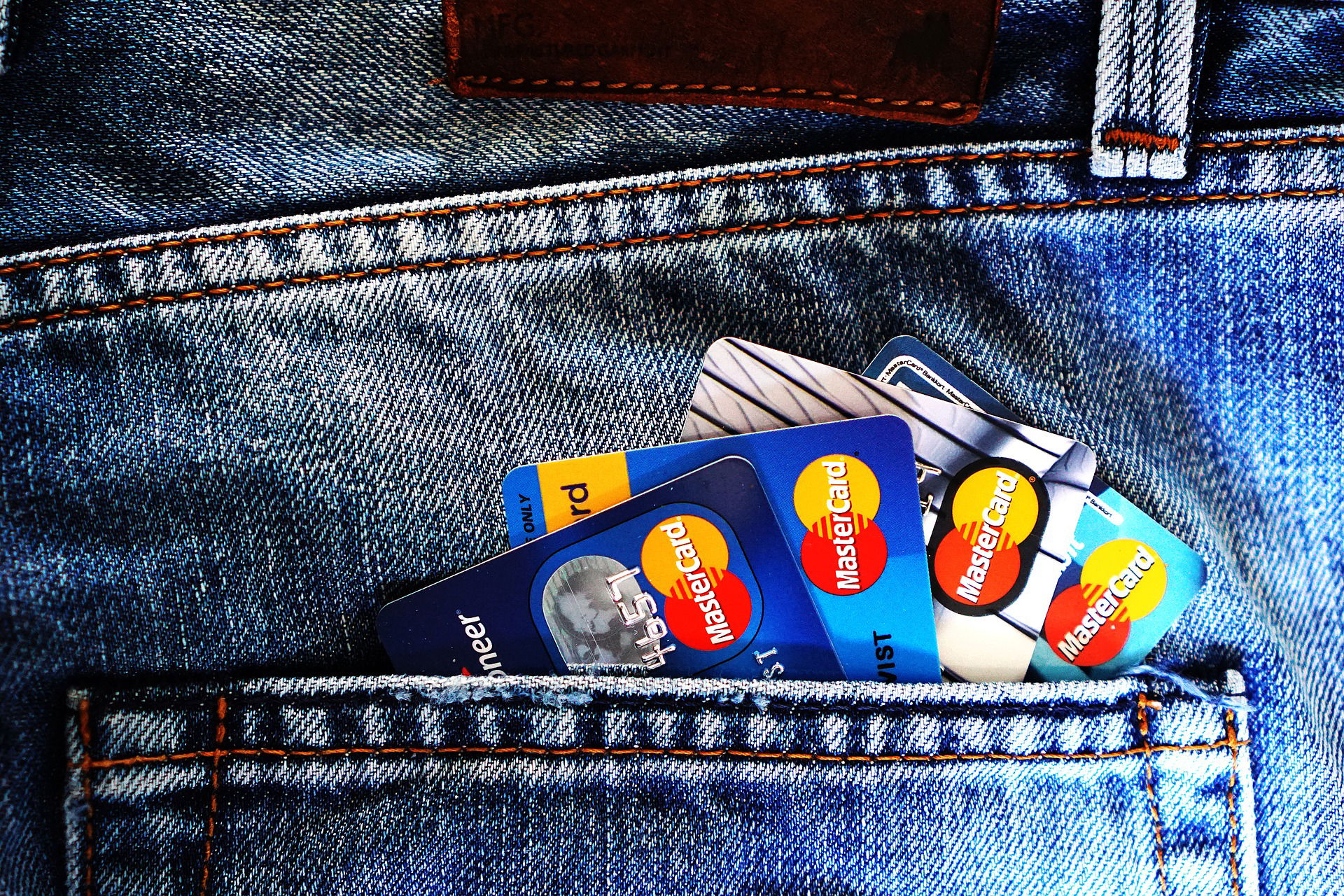
I have long heard from colleagues and clients that some of there projects and programs cannot be promoted because of payment method, and configuration. So I decided it was just the time to write an article on advanced forms of payment in the new world and change the discourse and attitude surrounding the subject.
We see and hear in countries like the UK and the US that companies and individuals are already making extensive use of digital wallets, and storing their money in designated digital banks. There are even credit cards that allow you to purchase products and services using cryptocurrencies.
Not only...
"In recent years, the payment system in Israel has been in a state of constant change as a result of the implementation of various reforms, technological developments and global developments."
And when we say advanced forms of payment, what do we mean?. In June 2017, the final report of the Committee for the Advancement of the Use of Advanced Means of Payment in Israel was published. In order to shorten your reading of the report and simplify what has been said, I will present you with selected sections. The committee was introduced in March 2014 and is headed by Mrs. Irit Mendelson, Director of the Accounting and Payment Systems Department at the Bank of Israel. The committee includes representatives from the Ministry of Government, the Anti-Money Laundering and Terrorist Financing Authority, the Tax Authority, the Ministry of Justice, the Antitrust Authority, the National Cyber System, the State Information Security Authority, the State Attorney's Office, the Israel Police, the Ministry of Finance and the Bank of Israel. The committee was established with the aim of regulating the field of advanced means of payment in terms of information security, money laundering and terrorist financing, business continuity, competition, stability and efficiency, in a way that will encourage the Israeli public to expand the use of advanced means of payment.
Did you know that using checkbooks and cash is considered "black economy"?
The way to ensure a secure national communication infrastructure is through the regulation of a legal basis for activity, technological infrastructure and consumer infrastructure. The idea is to reduce the use of cash in the Israeli economy and offer an alternative to paper-based means of payment such as cash and checks. The committee also notes the benefits of using advanced payments including increasing competition by introducing new players who will provide advanced payment services and will be a competitive advantage over the rest of the players.
The transactions will be documented in a financial system and a payment system and thus it will be possible to monitor these transactions. It is important at this point to emphasize the legal aspect, including consumer protections as well as the various risks related to money laundering, terrorist financing, fraud and abuse. The Committee is of the opinion that the use of advanced means of payment in the payment system in Israel should be promoted in a comprehensive process that includes:
1. Establish a central clearing infrastructure and a secure national communications infrastructure for making payments by advanced means.
2. Formulate a message of law for the regulation of payment services, payment account and clearing and issuance services.
3. Adapt the existing legal infrastructure to activity in the advanced means of payment.
4. Promote in the payment terminals an infrastructure that will allow transactions to be made without contact.
5. Optimize the digital billing execution transaction chain.
6. Promote consumer education and build consumer confidence in advanced means of payment.
The committee examined payment systems in which payments can be transferred with an emphasis on speed, efficiency, professionalism, information security, and opening up competition through the entry of new players into the market. Technological changes have led to changes in means of payment. The Internet has significantly expanded its ability to make payments and transfer funds, and its trading has created a need to develop new capabilities to transfer funds and make payments in a faster, more secure and accessible way.
One of the most common developments in the world today is a digital wallet (e-wallet). In recent years, the use of the digital wallet has crossed the boundaries of the internet and has also reached the mobile phone, and today there are providers that offer the option of using an electronic wallet through a smartphone app.
What about cryptocurrencies that are also known as digital/distributed currencies?. It is a technological means of payment and its value is determined by agreement between a large network of users. The best-known currency is Bitcoin, followed by Ethereum. Today digital wallets are widely used around the world and products and services can be purchased using cryptocurrencies.
In Israel, the reform has already begun (a little late but better now than never) and the first digital bank in Israel has been established, owned by Professor Amnon Shashua. The Bank will provide credit cards to holders of crypto currency accounts in Israel in accordance with the regulation and legal reform that will also be established in Israel. There is no doubt that 2022 is going to be a year of advanced payment configurations for everyone. And do not forget the taxation issues that are still waiting for us in the future.
In conclusion, there is innovation in the field of advanced means of payment in Israel, including smart debit cards, developments in the field of terminals in businesses, making non-contact transactions via smartphones, online payments and e-commerce, which most of us already know and use. Experts and analysts predict sharp and surprising rises regarding the cryptocurrency exchange and that is absolutely the next thing when it comes to technology and news. It’s worth following.